
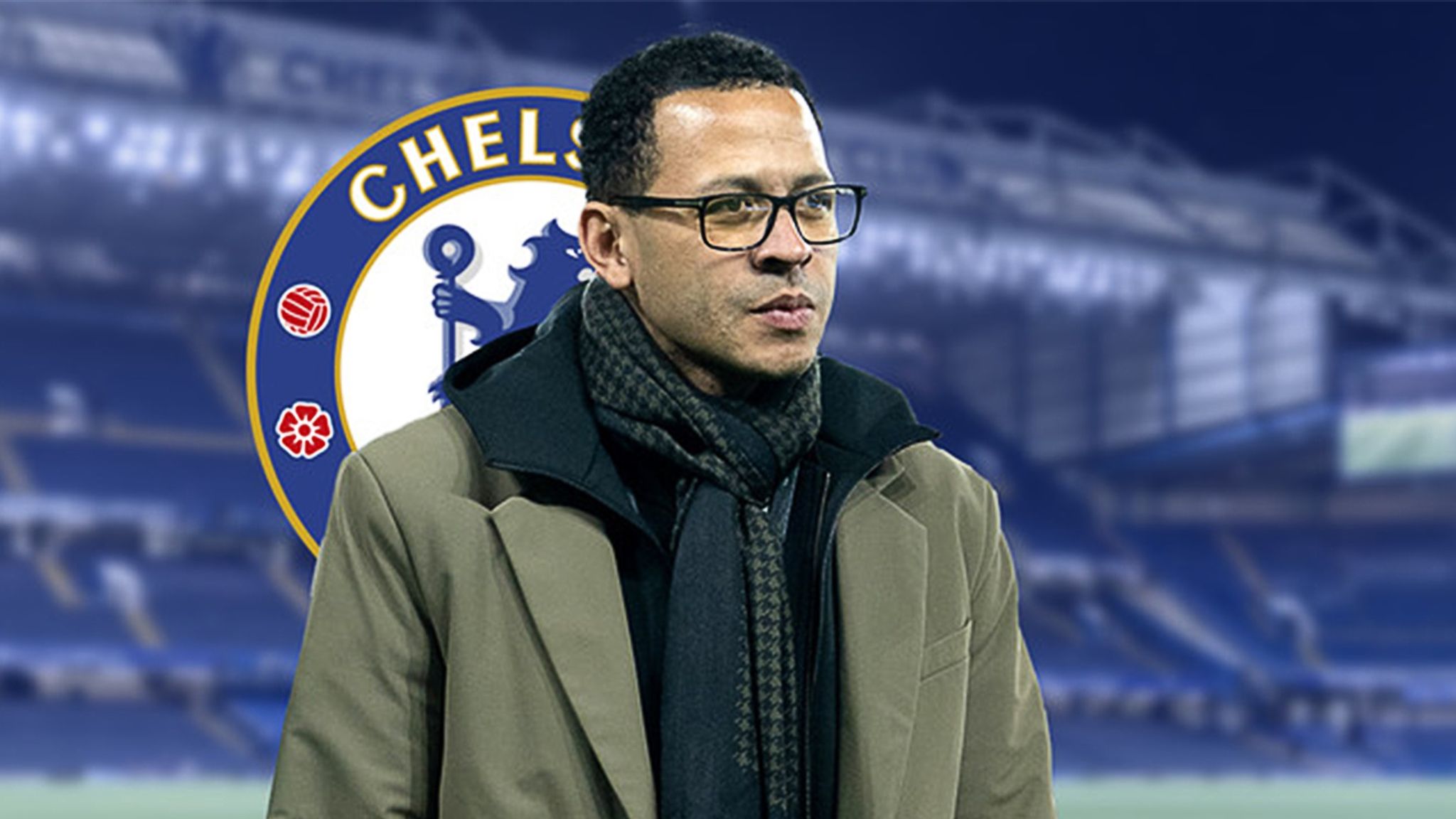
How does this affect Chelsea’s announcement of Liam Rosenior as the new head coach on a long-term contract?

In practical terms, it does not prevent Chelsea from announcing Liam Rosenior as head coach on a long-term contract.
Here is how it realistically affects the situation.
First, the conviction itself is minor.
Rosenior’s offense was a low-level speeding conviction. It carries no custodial sentence, no professional ban, and no football-related sanction. It does not involve violence, dishonesty, betting, drugs, or safeguarding issues. From a legal and FA standpoint, there is no barrier to employment in football.
Second, Chelsea’s legal and compliance checks would still clear him.
Premier League clubs conduct background and compliance reviews before senior appointments. A minor driving conviction that has been concluded in court, with fines paid and points issued, does not fail due diligence. Chelsea would simply document it and move on. 9jaProPredict
Third, it does not affect FA or Premier League approval.
There is no rule in FA or Premier League regulations that restricts a coach from being appointed due to a minor traffic offense. Rosenior remains fully eligible to be registered as a head coach.
Where it does have an effect is on public narrative, not legality.
Media optics and timing matter.
If Chelsea were to announce Rosenior immediately after the conviction became public, it could create short-term headlines and noise. Clubs usually prefer to avoid unnecessary distractions when unveiling a long-term project. This could lead to a brief delay in the announcement, not a cancellation. Climopredict
Chelsea would manage the messaging carefully.
If appointed, Chelsea’s communication team would keep the focus on football vision, long-term planning, and Rosenior’s coaching credentials. The driving offense would not be mentioned unless asked directly, and if raised, it would be described as a closed, minor personal matter.
Internally, it does not change Chelsea’s football decision.
Chelsea’s interest in a coach would be based on tactical philosophy, leadership, development of young players, and long-term alignment with the club’s model. A resolved speeding conviction does not alter any of those factors.
The bottom line
If Chelsea truly wants Liam Rosenior as their long-term head coach, this conviction will not stop the appointment. At most, it may influence the timing and communication strategy. It is not a deal-breaker, not a red flag in football terms, and not something that would derail a long-term contract.
Chelsea would announce him based on football reasons, not traffic court outcomes.

Liam Rosenior has found himself in the headlines for reasons far removed from tactics and touchline decisions. The highly rated English coach was recently convicted of a minor driving offense, a development that has sparked debate about whether it could affect his growing reputation and any potential move to Chelsea.
Rosenior admitted to speeding after being caught driving at 36mph in a 30mph zone in Derbyshire. The incident, which took place in July 2025, resulted in a court conviction in early 2026 after he missed a speed awareness course due to travel disruption. He was fined, handed penalty points, and the matter was formally closed by the court.
While the offense itself is minor and carries no football-related consequences, its timing is what has attracted attention. Rosenior has been widely discussed as a progressive young coach with Premier League potential, and his name has been loosely linked with Chelsea as the club continues to monitor emerging English managers.
From a football standpoint, the conviction is unlikely to directly impact Chelsea’s decision-making. Top clubs typically assess managers on coaching philosophy, leadership, results, and long-term vision rather than isolated personal misdemeanours. There is no suggestion of professional misconduct, and the offence does not breach any FA or Premier League regulations.
However, Chelsea is a club that operates under intense media scrutiny. Any appointment is magnified, dissected, and judged instantly. For a coach still building his elite-level profile, even a small controversy can add unwanted noise at a critical moment in his career trajectory.
Sources close to the situation suggest Rosenior remains focused on football and sees the matter as closed. Within the game, the incident is viewed as an unfortunate lapse rather than a character concern. If Chelsea or any other top club were seriously considering him, this conviction alone would not be a deal-breaker.
Ultimately, Rosenior’s future will be decided on the pitch and in the dressing room, not in a magistrates’ court. But as he continues to rise, this episode serves as a reminder that life off the pitch can quickly shape narratives on it. For Chelsea, the question is simple. Do they see Rosenior as a long-term football solution, or is his journey to the top still a work in progress?




About the Author






He will not last long